People living in port cities have the same right to clean air as everyone else. That was our message on 5 November, when One Planet Port submitted feedback to the European Commission open consultation on the Implementing Act under the revised EU Ambient Air Quality Directive. The act sets technical rules for Member States’ projections and implementation reports.
An act like this should be purely about turning commitments into action, instead of reopening measures and creating new exemptions for polluters. This echoes the concerns of other environmental NGOs such as Transport & Environment. Article 4(2) creates a five-step legal filter that can drop clean air measures before any modelling starts. Measures can be discarded, for example, if they significantly restrict or burden the transport of goods and freight. In a port city, that invites governments to exclude exactly what is needed: mandatory shore power, zero-emission rules at berth, emission requirements for inland vessels and port trucks, and speed limits on port approaches. We are therefore asking the Commission to delete Article 4(2).
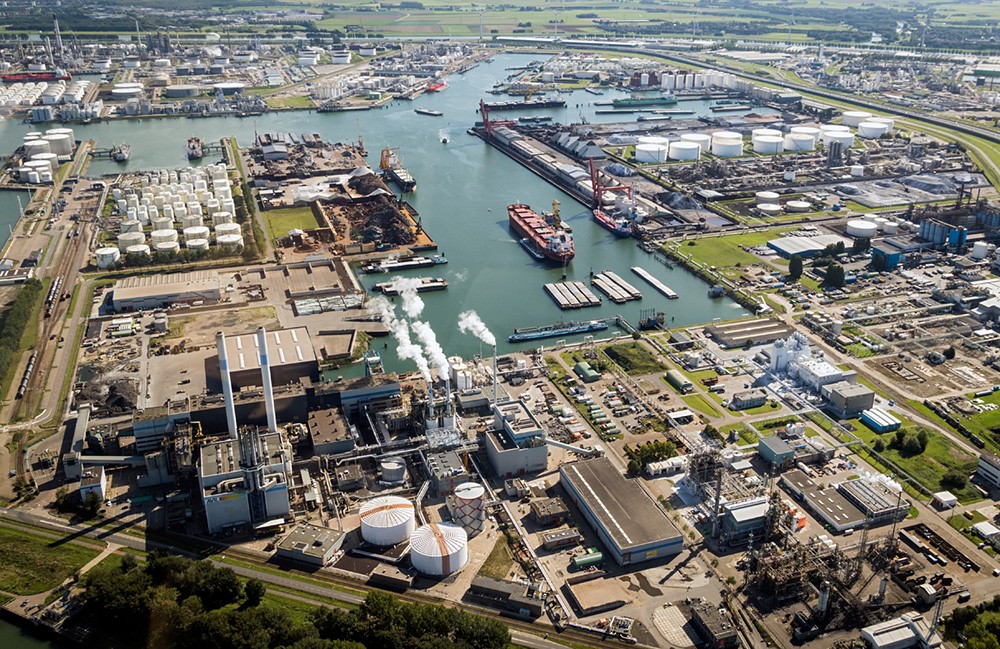
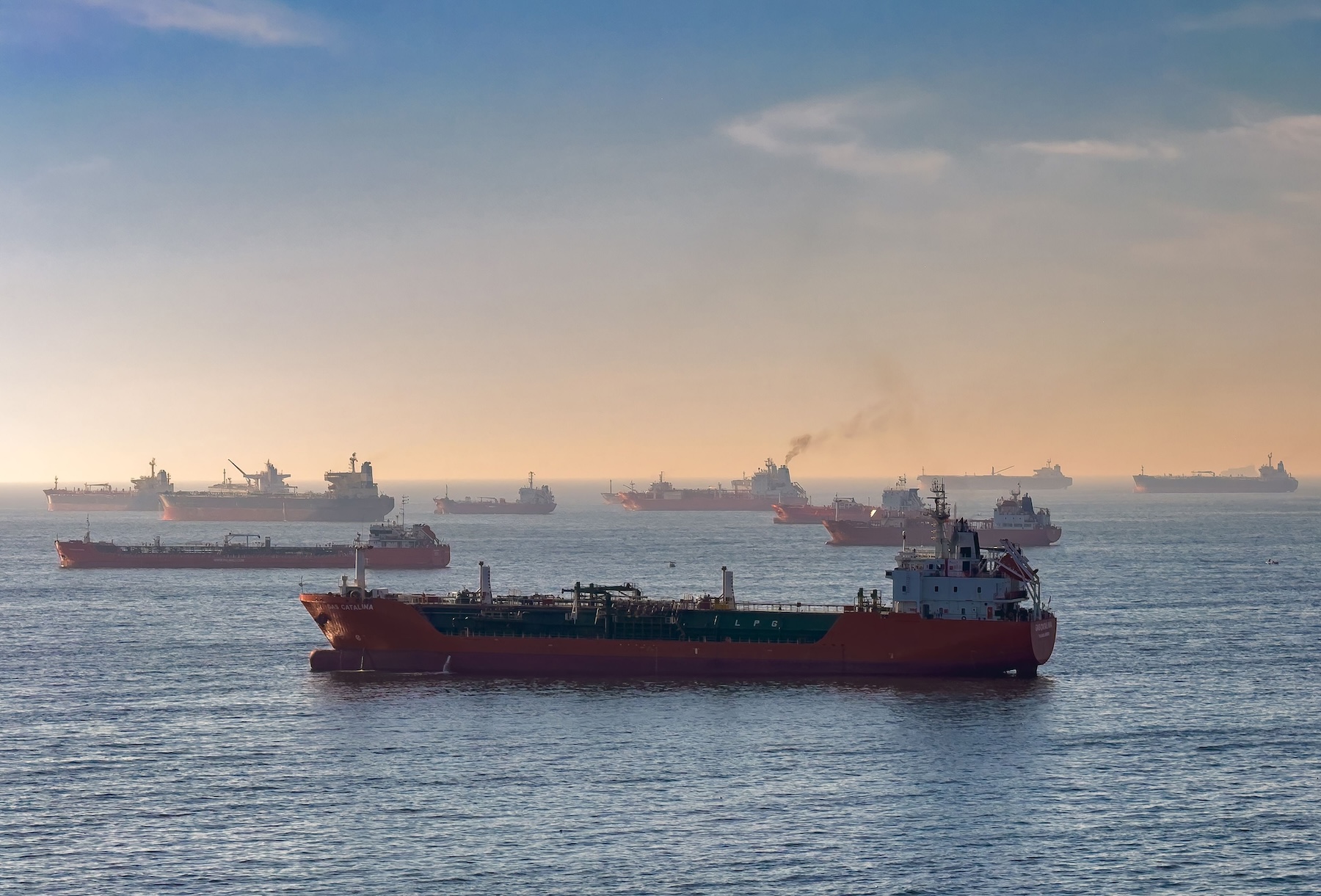
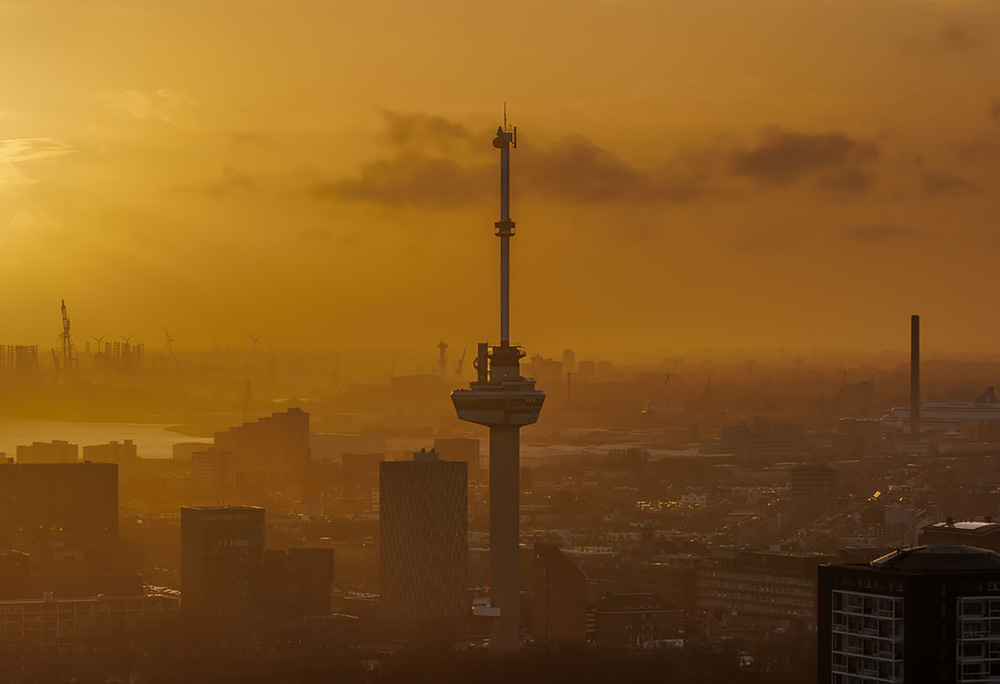
Rotterdam shows what is at stake. Ultrafine particles are small enough to reach deep into the lungs, the bloodstream and even the brain, raising the risk of inflammation, heart disease and stroke. TNO and DCMR data show that more than half of ultrafine particle emissions in the Rijnmond region come from shipping. Yet these particles are measured at just one official monitoring station in the whole of South Holland, and the Directive provides for only two measuring sites nationwide.

That is why Rotterdam residents in our citizen science project Right to Breathe, funded by Resilient Delta (Erasmus University, Erasmus MC and TU Delft), measure the air in their own neighbourhoods. They are especially concerned about pollution in high traffic areas where road and river transport compound with each other. They also want to capture the peaks that averages hide: when a passing ship sends a plume over a playground full of children, people should know it is happening and have a say. We are asking the Commission to allow projections to be validated against independent and citizen science measurements like these.
Our other main points:
- Map ports at street level. Projections must capture emissions from ships at berth and in fairways, inland navigation and port logistics at street level. Regional models dilute port plumes and hide exposure.
- Count the full health benefits. Any weighing of costs and benefits must include the gains from reducing ultrafine particles and secondary PM2.5 formed from NOx and ammonia.
- Include new fuels. Projections must also cover NOx, ammonia and ultrafine particles from shipping, including ammonia slip. Peer-reviewed research by One Planet Port shows that under weak emissions controls, indirect nitrous oxide (N₂O) formation could offset 15 to 40% of the potential climate benefit of ammonia as a marine fuel.
- No progress on paper only. Port electrification depends on grid connections and fleet renewal, which do not happen in a straight line. Linear projections let authorities postpone investment while appearing on track.
- Make it open to scrutiny. Emission inventories, model inputs and assumptions must be published, so that the public can scrutinise them and exercise its rights to information and access to justice.
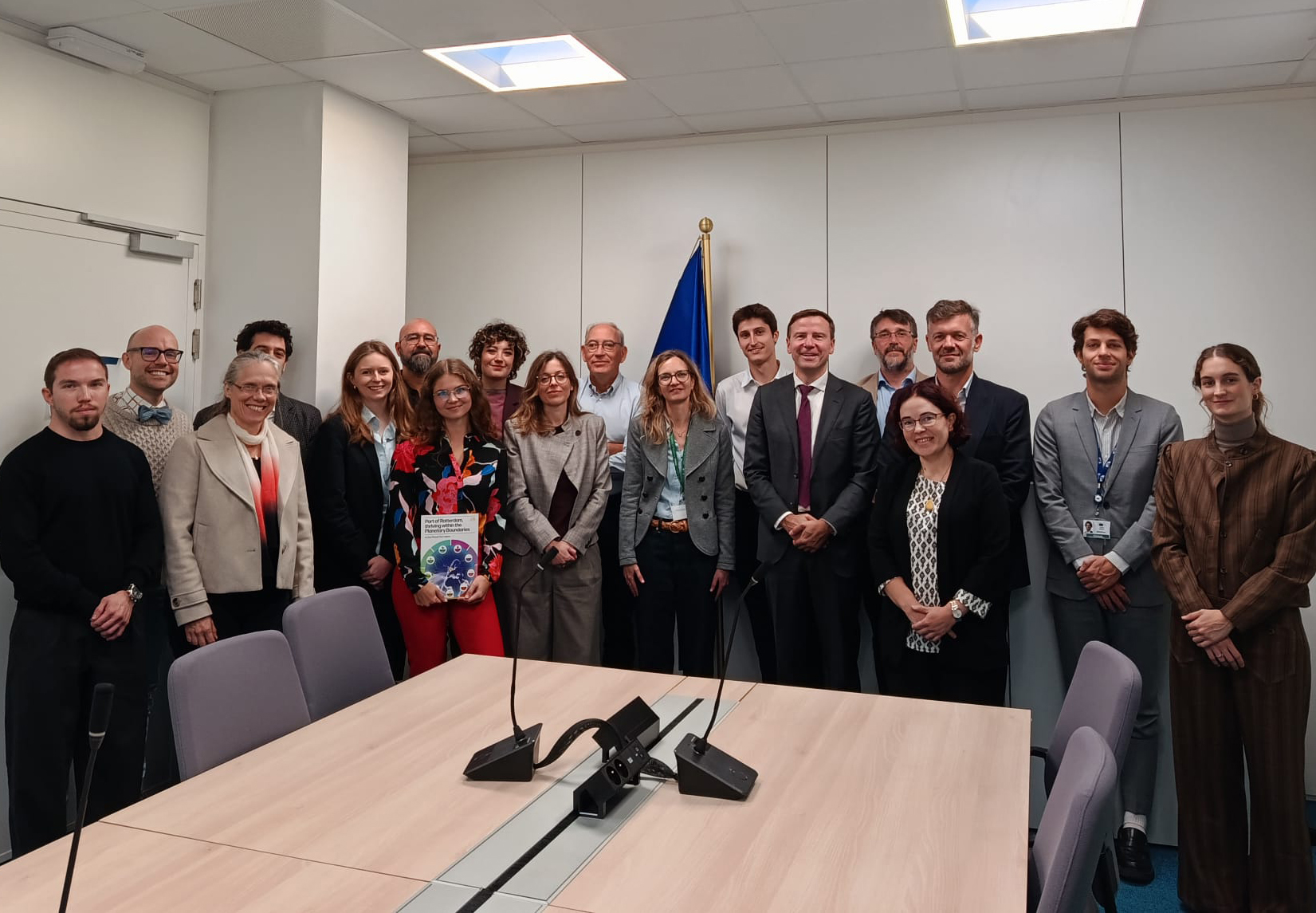
These points echo our first policy brief, Thriving Ports within Planetary Boundaries in Europe and Rotterdam. It names aerosol emissions, such as ultrafine particles and black carbon, among the most critical regulatory gaps. It also warns that the cumulative pressures of different types of pollution on fragile coastal ecosystems around ports and shipping routes and their effects on human health remain largely unmonitored and ungoverned.
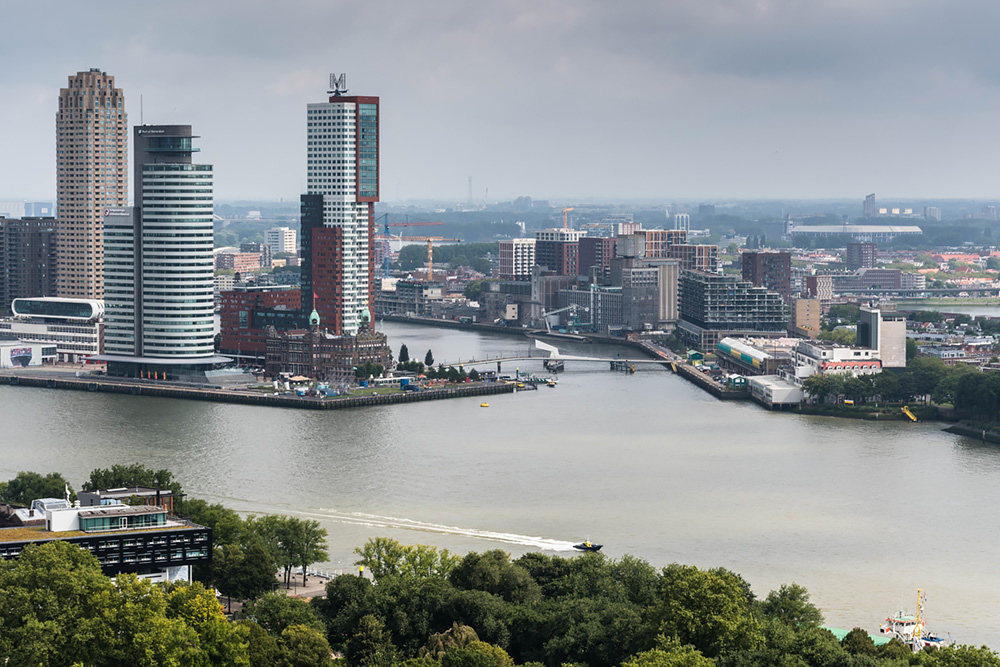
Our message to the Commission: keep this act strictly technical.
Our message to Rotterdammers: are you concerned about the quality of the air in your neighbourhood? Take part in the Right to Breathe citizen science project and start measuring.