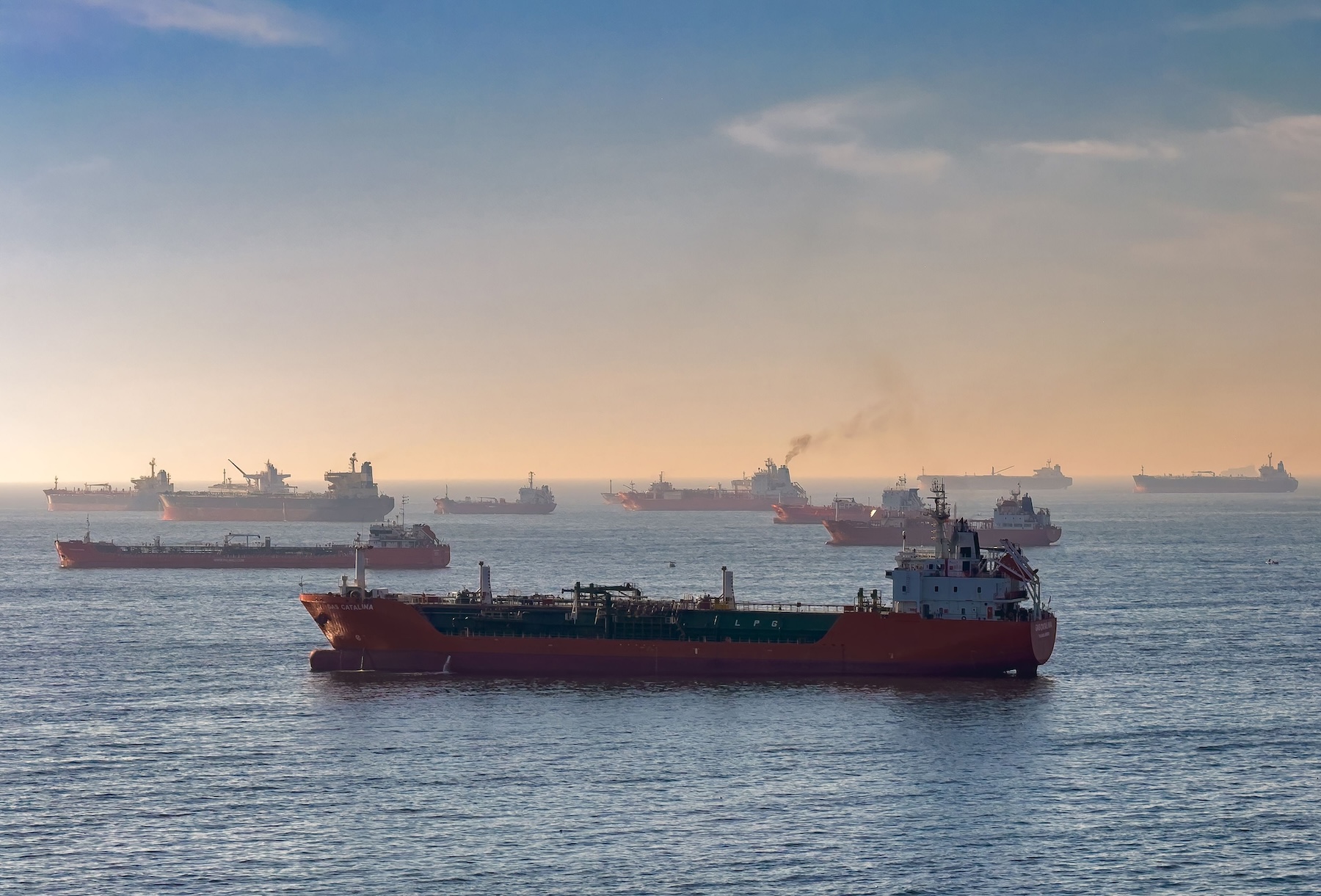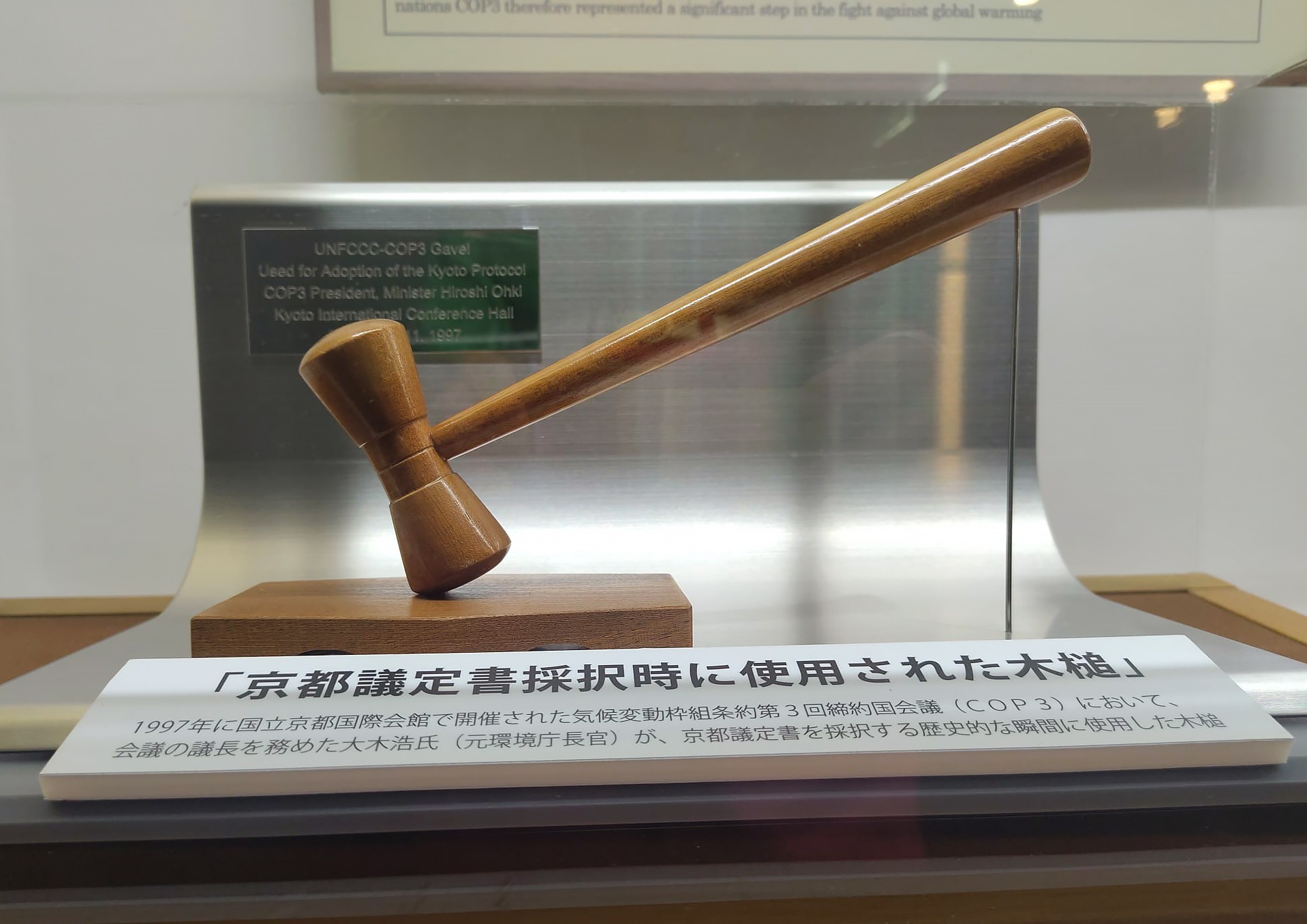
In early November, nitrogen scientists, policymakers and practitioners from around the world gathered in Kyoto for N2026, the 10th International Nitrogen Conference. It was held in the same conference centre where the Kyoto Protocol was adopted in 1997. Why would a Rotterdam port NGO travel there? Because shipping’s climate transition is about to become a nitrogen story. Ammonia is one of the leading candidates to replace fossil fuels in deep-sea shipping. It contains no carbon, but it is a form of reactive nitrogen, and the world is already well past its safe limit for nitrogen. Roughly 12% of EU trade flows through Rotterdam, so the port will be at the centre of that transition. Kyoto brought together the scientists and governments working on global nitrogen policy, which made it the place for One Planet Port to make its case: shipping belongs in nitrogen action plans, and safeguards on ammonia fuel must be agreed before the infrastructure is built, not after.
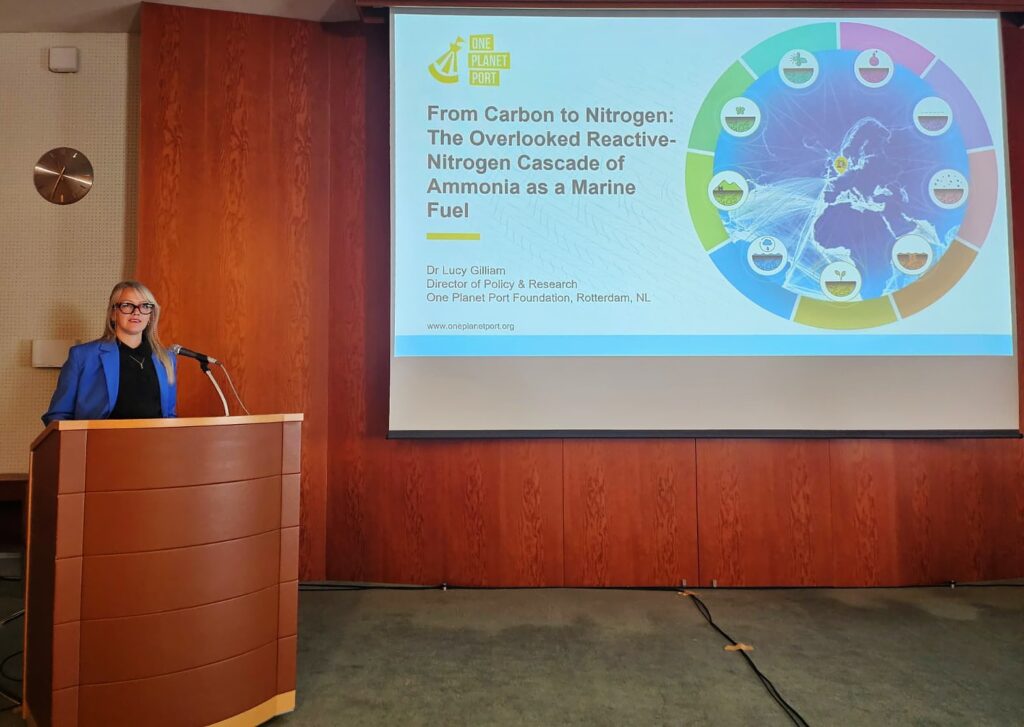
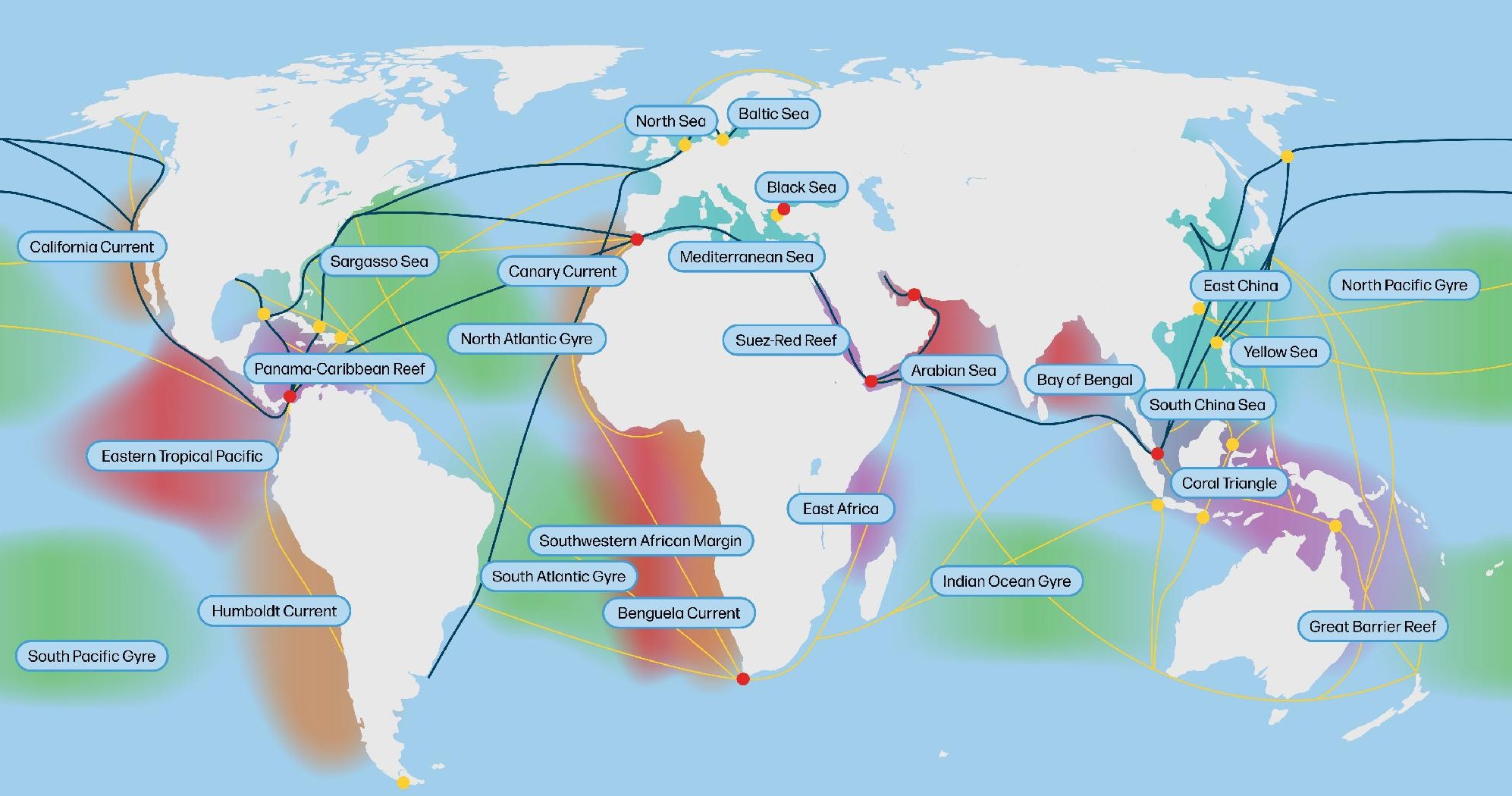
At the conference, OPP Co-Founder and Director of Policy & Research Dr. Lucy Gilliam presented two new papers written with colleagues at the Environmental Defense Fund and Opportunity Green. Reactive nitrogen can escape at every stage of the ammonia fuel chain: during production, storage, bunkering and combustion. Ammonia can leak, or slip through engines unburnt. Combustion forms nitrogen oxides (NOx) and nitrous oxide (N₂O). N₂O is a greenhouse gas around 270 times stronger than CO₂ over a century, and it is now the leading ozone-depleting emission. This nitrogen does not stay in the air. The wind carries it out to sea, where it settles. There it makes coral reefs more vulnerable to bleaching. In oxygen-minimum zones, some of it is converted into yet more N₂O. In seas such as the North Sea, the Baltic and the Mediterranean, it adds to eutrophication and coastal oxygen loss. Our scenarios show what is at stake. With strong controls, renewable ammonia could cut nitrogen pollution from shipping compared with today’s fuel oil. Without them, losses could match or exceed it. The difference is not the fuel itself, but how well its whole value chain is controlled.
We were not alone in asking these questions. Several research groups reached the same conclusion from different directions: ammonia can help decarbonise shipping, but only if its nitrogen is tightly managed. Researchers from Ritsumeikan University and the Research Institute for Humanity and Nature found that without measures to cut N₂O, greenhouse gas emissions from shipping could rise by about 2.3 times. They also found that no legal framework currently exists for N₂O from ammonia engines. A team from the University of Maryland Center for Environmental Science and Pacific Northwest National Laboratory found that switching all shipping to ammonia would increase global ammonia demand by 400% by 2050. At that scale, even small percentage losses add up. A new study presented in Kyoto (Yu, Liu et al., in review) projects that if up to half of shipping fuel switches to green ammonia, total nitrogen deposition to the ocean would rise by up to 17% compared with 2018. Deposition of ammonia and ammonium would rise by around 50%. The hotspots stay concentrated in the busy coastal waters of the Asia-Pacific, Europe and North America, whatever share of ammonia is used. Engine and power companies presented combustion designs aimed at suppressing NOx, N₂O and unburnt ammonia together, and university teams showed new catalysts that break down N₂O in exhaust. What is still missing is independent, published emissions data from real-world operation.
The biggest uncertainty in our own work is leakage: how much ammonia escapes along the supply chain before it ever reaches an engine. Several presentations pointed to how that gap could close. A University of Maryland Center for Environmental Science team used two satellite instruments to estimate emissions from individual US ammonia plants, and compared them with official inventories. The European and Japanese space agencies are developing a joint mission to track ammonia, N₂O and nitrogen dioxide at sub-kilometre scale. A broad coalition led by the Natural Resources Defense Council set out a roadmap for monitoring, reporting and verifying N₂O emissions. If these tools were turned towards ports, bunkering hubs and busy shipping corridors, regulators would get what they currently lack: an independent check on what the shipping sector reports.
N2026 was not only a science meeting. The UNEP Working Group on Nitrogen, the International Nitrogen Network (iN-Net) and national governments all took part. The conference closed with the adoption of the Kyoto Declaration. Its messages will be carried to COP31, which opens in Antalya, Turkey this week, and to the next UN Environment Assembly in December 2027. The global goal, set in the 2019 Colombo Declaration, is to halve nitrogen waste by 2030. Most of the discussion rightly focused on agriculture, but the coming demand for ammonia as a fuel is not yet part of that picture. In Kyoto, we argued that shipping belongs in nitrogen action plans and inventories.
At the International Maritime Organization (IMO), which regulates global shipping, only engine NOx is currently controlled. Ammonia slip, N₂O and upstream leakage fall outside its rules. That is why bringing the nitrogen science community and shipping regulators into the same conversation is one of the most useful things we can do, and that conversation has started. In the closing panel, David Kanter, Chair of the International Nitrogen Initiative, stressed that implementation will require engaging the IMO, and the Kyoto Declaration now names the IMO explicitly. In the declaration workshops, our breakout group looked at how to bring systemic nitrogen management into shipping policy, from lifecycle emissions accounting to limits on ammonia slip and N₂O. We also discussed how to reach the people who decide: the transport ministries that make up most IMO delegations. Their environment ministry colleagues lead on nitrogen through UNEP, so joining up the two within each government will be essential to address nitrogen risks in the fuel transition before the rules are set.
For the Netherlands, this is familiar ground. Nitrogen is one of the planetary boundaries our country knows best, and the Dutch nitrogen crisis has shown what happens when deposition is ignored until it becomes a legal and political emergency. We do not want to repeat that story at sea. Rotterdam is preparing to become a major hub for importing, storing and bunkering ammonia, and that gives the port a chance to lead. It can require leak monitoring at terminals and bunkering operations. It can ask ships that call here for transparent engine emissions data. And it can count nitrogen alongside carbon in its climate plans. We will take the connections made in Kyoto back to Rotterdam, and follow up with the researchers working on satellite monitoring, engine emissions and nitrogen governance.
Read the research
Gilliam, L., Kershaw, J., Sartzetakis, S.S., Cabbia Hubatova, M. and Esquivel-Elizondo, S. (2026). Beyond carbon: reactive nitrogen emissions from ammonia as a marine fuel and implications for ocean ecosystems. Frontiers in Marine Science 13:1907733.
Esquivel-Elizondo, S., Cabbia Hubatova, M., Kershaw, J., Sartzetakis, S.S. and Gilliam, L. (2026). Ammonia marine fuel can reduce or increase reactive nitrogen pollution depending on emissions controls. Communications Sustainability 1, 70.