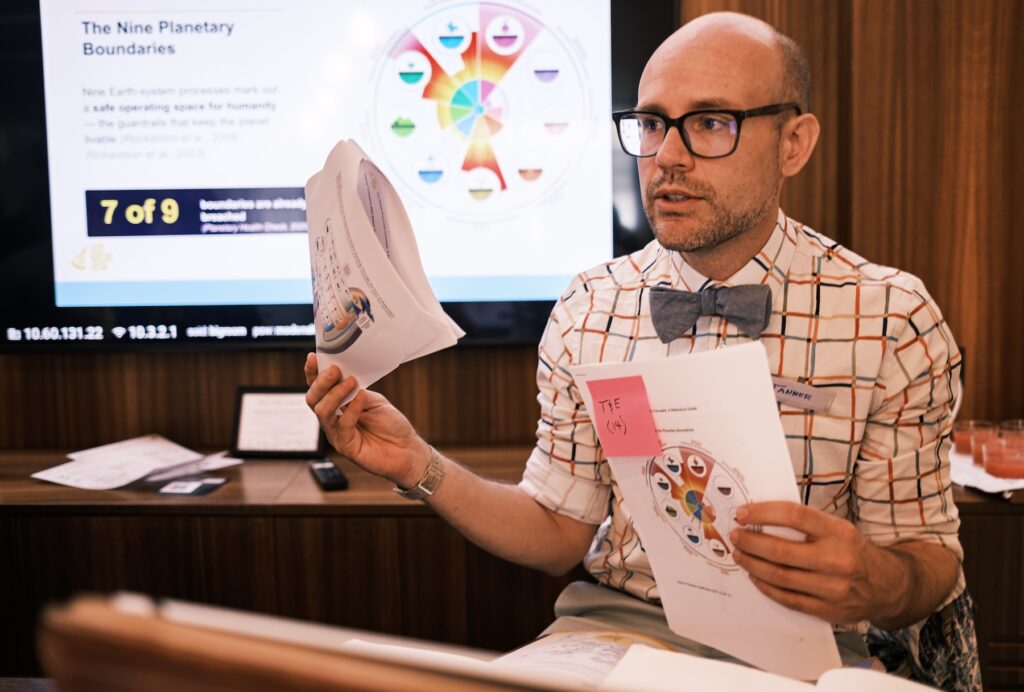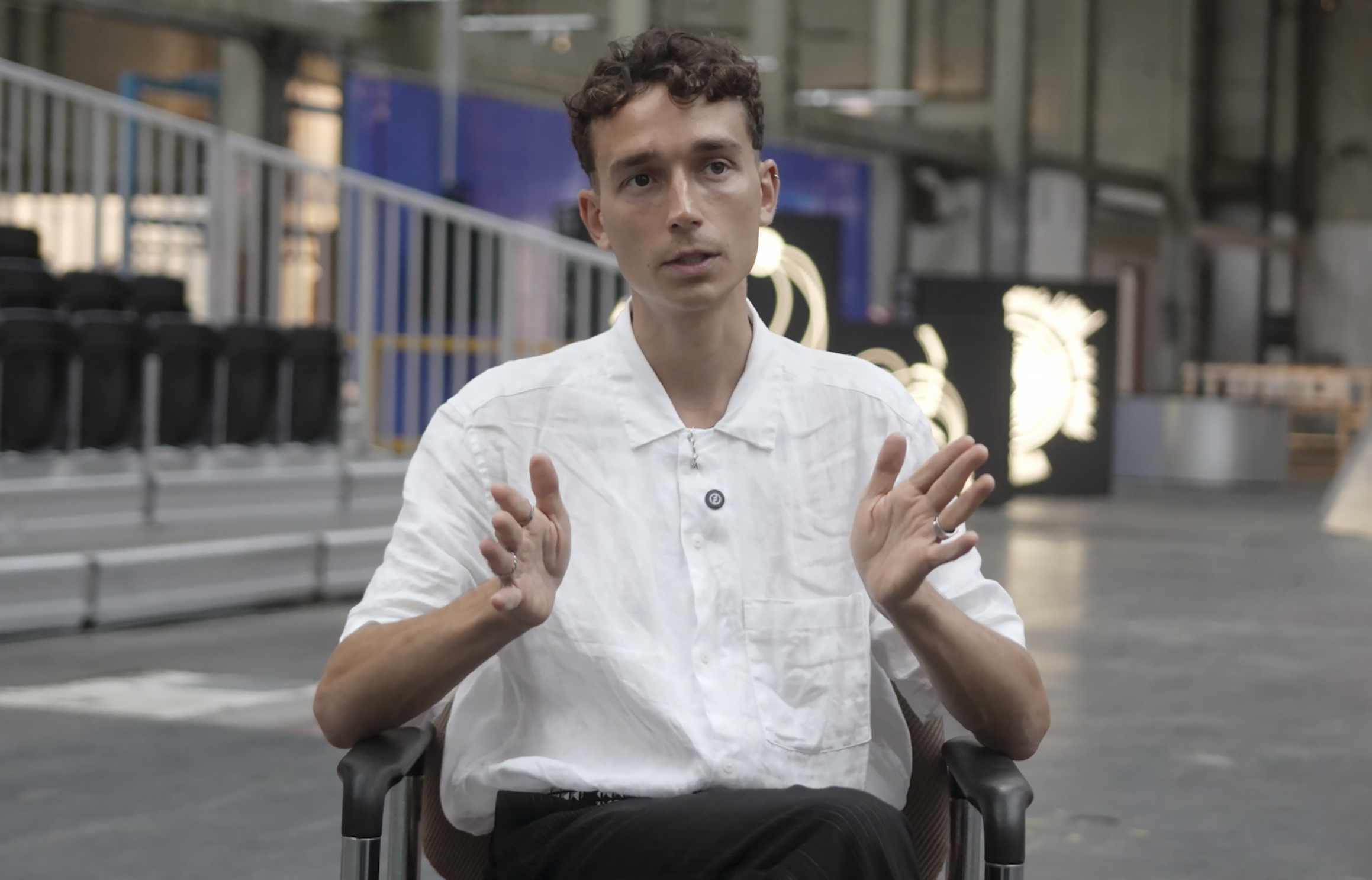
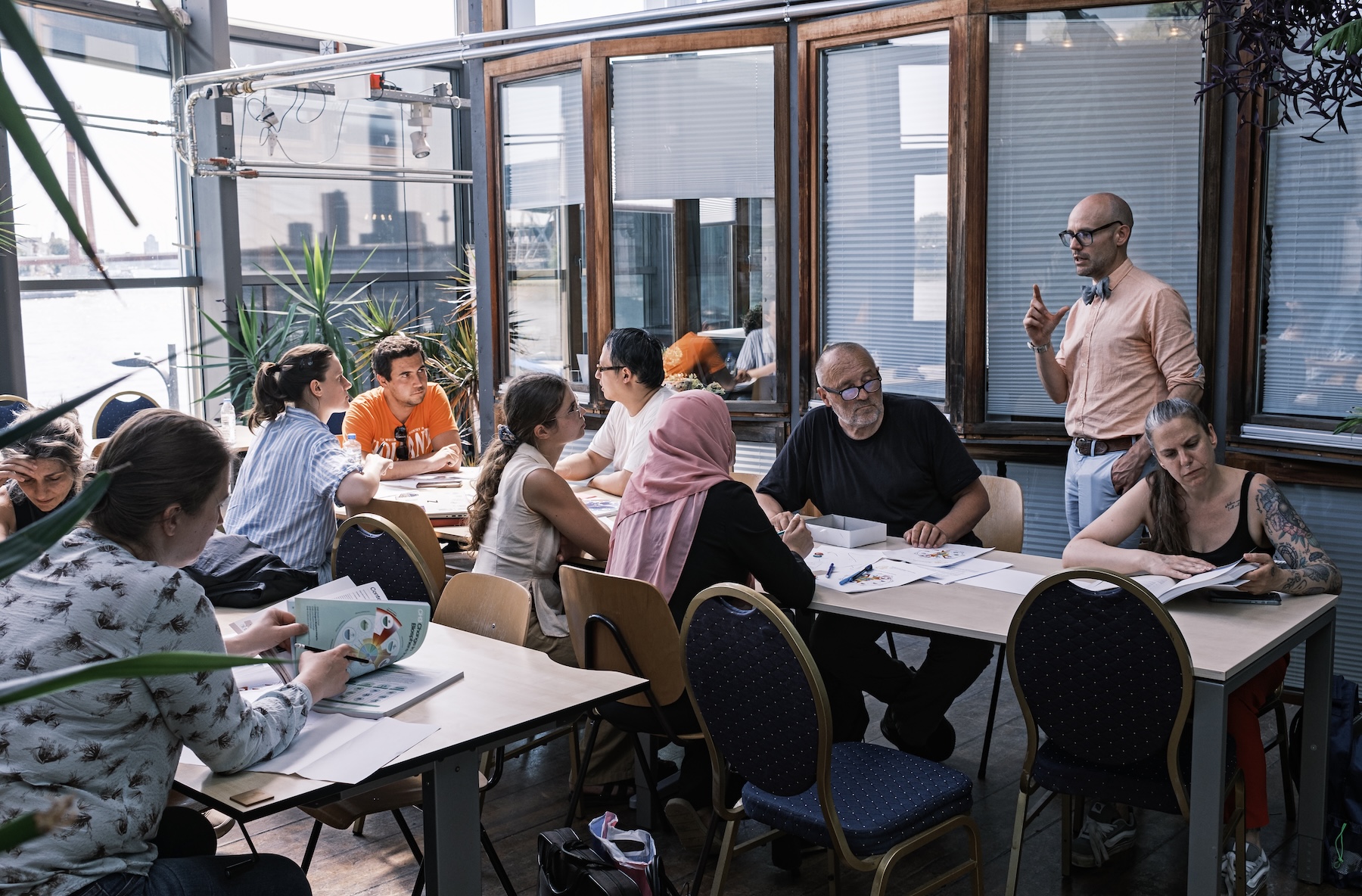
Seven of the nine planetary boundaries defined by science have been breached. Ports sit right in the middle of this crisis: as end nodes of the global maritime system, they enable the flows that push the Earth past its limits. This summer, One Planet Port brought that message across in workshops for researchers from the EU-funded PACT COST Action network and for twelve MSc Food & Marketing students from the University of Gastronomic Sciences, both hosted at BlueCity in Rotterdam, and for EU transport policy professionals at Transport & Environment (T&E) from Brussels.
Different participants, the same question: what does it mean for ports to operate within the nine ecological boundaries? Each time, the same uncomfortable insight surfaced. Steering on CO₂e alone merely relocates the pressure, as it leaves the door open for the harm to be shifted to a different category: to the nitrogen boundary, to biodiversity, to the freshwater supply. One Planet Port’s ‘anchor’ shows the way: sufficiency first, including demand reduction, efficiency in support and circularity to close the loop.
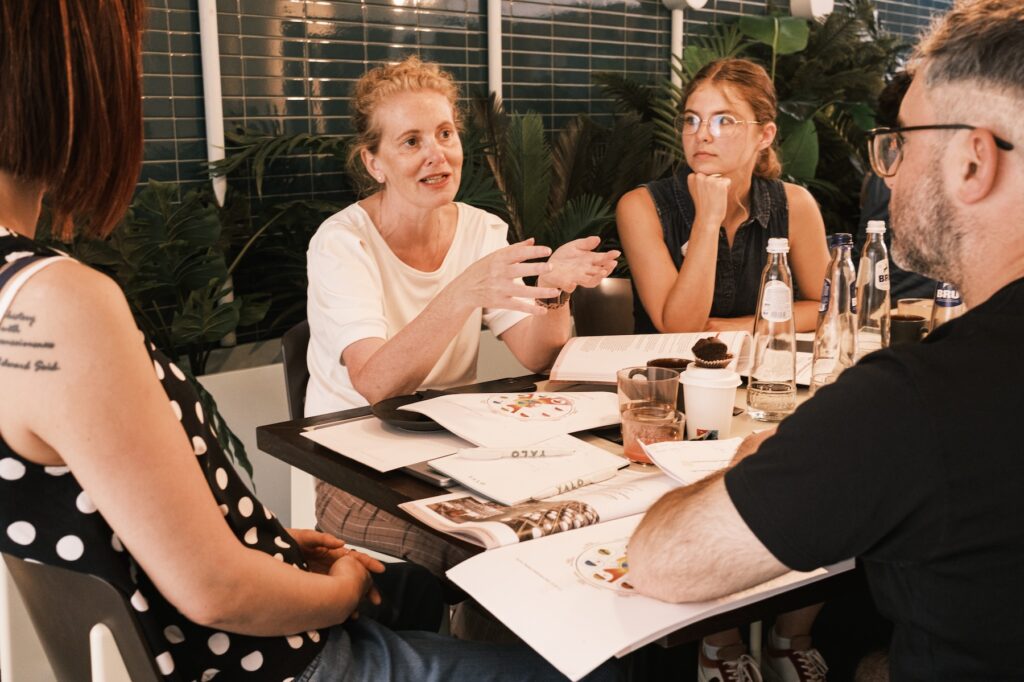
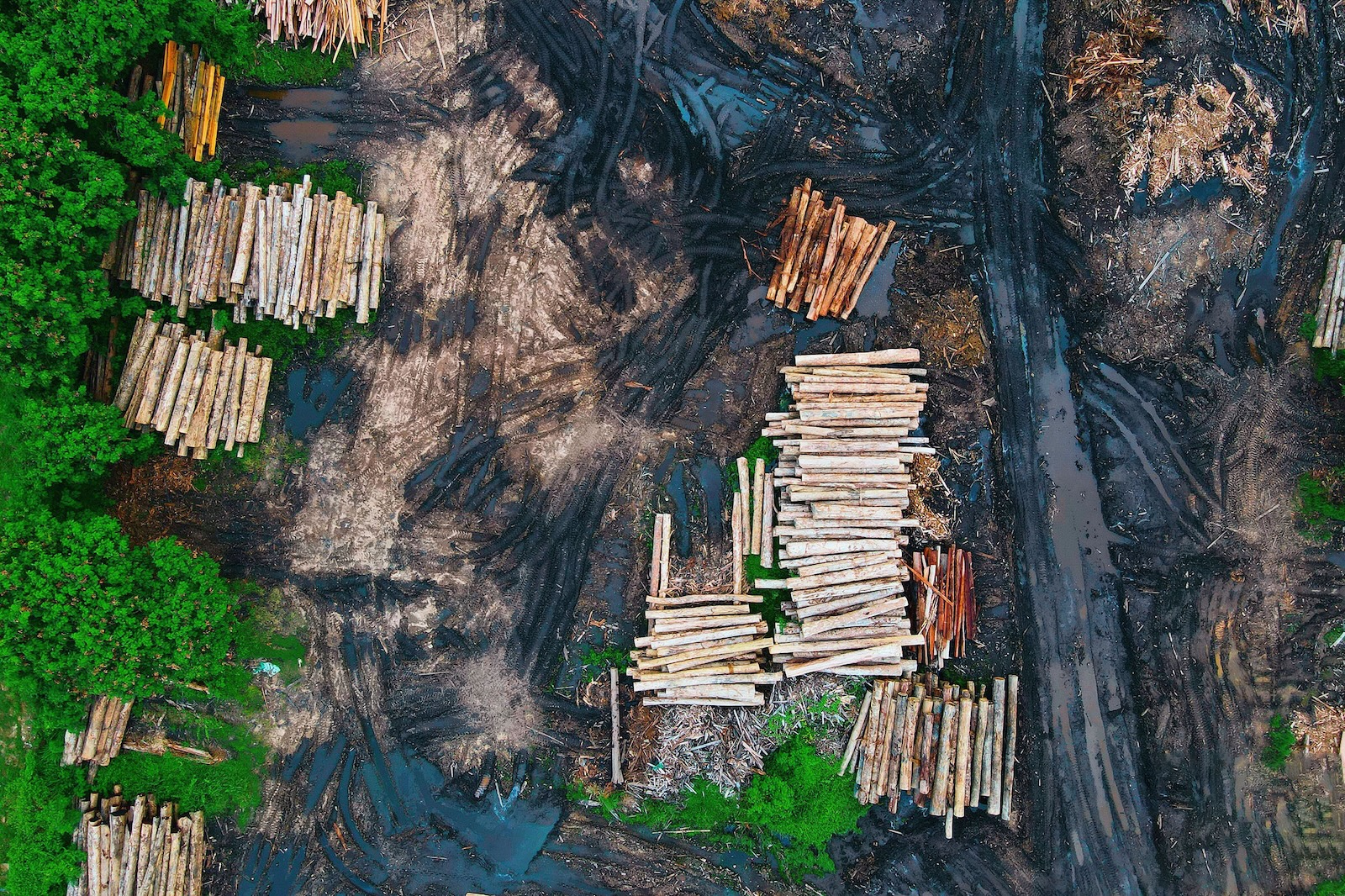
For the food students the question became painfully concrete with the Netherlands as the case study. The country is the world’s second-largest agri-food exporter, and it does grow and raise much of that produce itself, from crops to cattle. But that output rests on an enormous imported material foundation: it draws in animal feed, fertiliser and energy from abroad to prop up the system, converts them, keeps some of the food for domestic consumption and ships the majority onward. Rotterdam is the EU’s animal feed gateway. A single cargo class, food and feed, is globally the largest driver of five of the nine boundaries.
Rotterdam is where the flows that cause damage converge, which also makes it the point where they can be redirected: change the conditions for throughput, and you change the entire system behind it. Valentina Gritti, Community & Project Manager at Slow Food, showed what that looks like at the other end of the chain, with Apapacho’s cacao: adding maximum value in Mexico via Mexican farmers themselves rather than only doing so once the cacao reaches Europe. This approach provides maximum benefit by producing at origin, adding value at origin, and restoring ecosystems at origin. But it is precisely a chain like this that gets stuck at the point of transport: shipping small volumes sustainably is expensive and complicated. Exactly the tension where a port can make the difference.
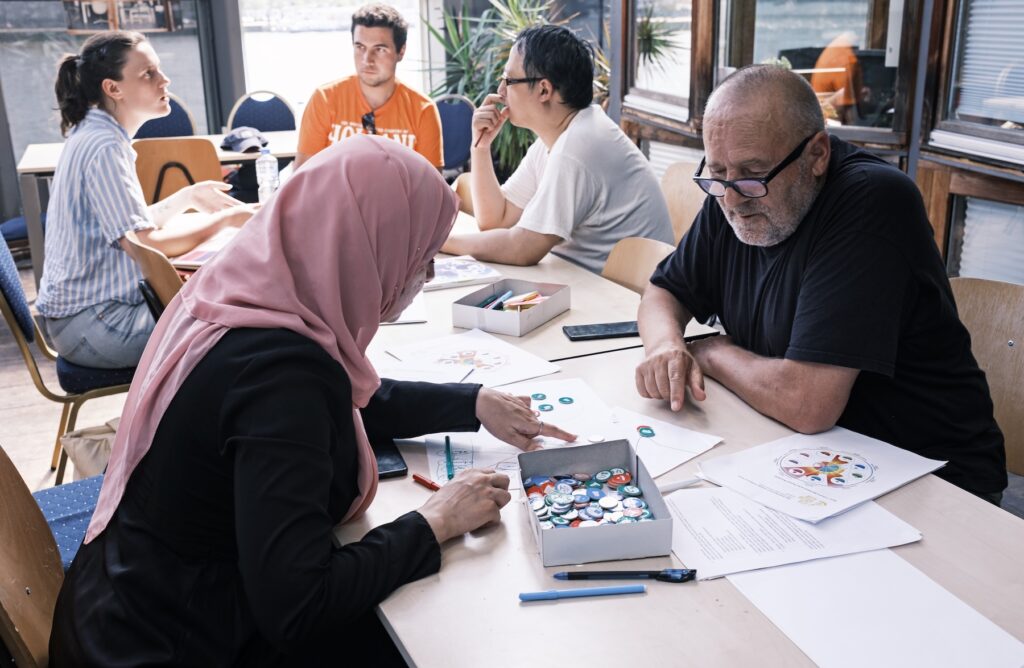
With participants from countries ranging from Algeria to Lithuania, working in fields from urban planning and maritime logistics to risk sociology and offshore energy, the OPP workshop sessions stayed sharp. With such a varied group, the framework proves its worth: one shared language to explore how everyone’s work touches and can aid the health of the boundaries. “The workshop turned the Planetary Boundaries from an abstract idea into an operational, multi-dimensional lens”, said one PACT participant with a background in Energy and Smart Cities. “I usually work within a carbon and climate frame; the workshop pushed me toward a systemic view that also accounts for biodiversity, freshwater and biogeochemical flows. I can already see how it maps onto port-city infrastructure planning.” At T&E the session led to a similar, policy-focused conclusion. Beyond climate change alone, participants wanted to “more deeply consider all the impacts of proposed policy interventions and how these impact other planetary boundaries: both positive and negative”.
That is exactly what One Planet Port is after. Not optimising a single number, but steering systemically within all nine boundaries.
Would you like a workshop for your team, network or programme? Contact us at ahoy@oneplanetport.org.